Why Your Child Refuses to Share And How to Fix It
The Gentle Way to Teach Children Generosity That Lasts
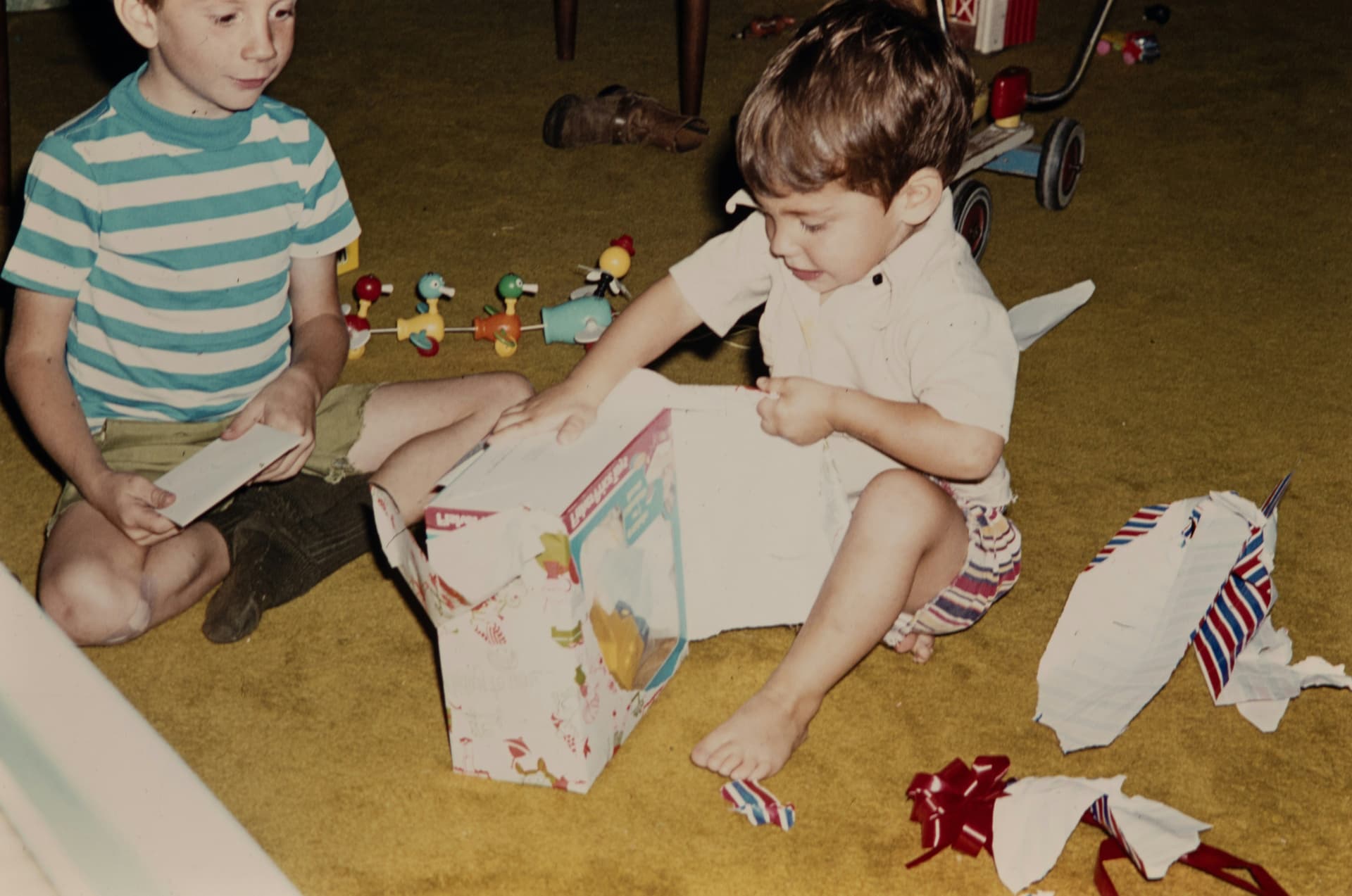
The other day, I attended the birthday celebration of a three-year-old we will call Ava. Like many such gatherings, it was filled with laughter, bright wrapping paper, and the quiet anticipation that surrounds the opening of gifts. Seated beside her mother, Ava began unwrapping her presents—carefully at first, then with growing excitement. Nearby sat her younger cousin, watching closely.
Ava received an array of thoughtful gifts: soft clothing, engaging educational toys, each one new and inviting. As she explored them, her cousin reached out, attempting to take one. Ava instinctively pulled it back and said, with simple clarity, “This is mine.”
Moments later, as Ava became absorbed in one of her new toys, an adult gently prompted, “Can you share your toy with your cousin?” She hesitated. The request came again, softly but persistently, encouraging her to let go.
Sharing, of course, is a beautiful and important value. It reflects generosity, empathy, and connection. Yet when it is imposed—when “sharing is caring” becomes an expectation rather than a choice—it risks losing its meaning. For a child, especially one so young, ownership is still a new and developing concept. To receive something and have the space to enjoy it, even briefly, is part of how that understanding takes root.
Imagine, for a moment, bringing home something brand new—something you had long anticipated—and being immediately asked to hand it over to someone else. The request may come from a place of kindness, but the experience would likely feel dissonant. The same is true for children, whose emotional worlds are just beginning to take shape.
When children are rushed to share before they have had the chance to connect with what is theirs, the underlying message can be confusing: that their feelings in that moment are secondary, that pleasing others takes precedence over their own experience. Over time, this may lead not to genuine generosity, but to compliance.
Ava, after initially refusing, eventually handed over her toy—not because she was ready, but because she wanted to please the adults she trusted and loved. It was a small moment, easily overlooked, yet deeply telling.
It is worth remembering that we extend patience to children as they learn to walk, to speak, to make sense of the world around them. We do not rush these milestones; we understand that development unfolds in its own time. Grasping a concept like sharing is no different. It, too, requires time, repetition, and gentle guidance to become meaningful rather than mechanical.
So how, then, do we nurture the spirit of sharing while still honouring a child’s sense of self?
Model sharing in everyday moments. Let children see you offer, take turns, and share willingly. These lived examples are far more powerful than instructions.
Give children time to enjoy what is theirs. Allow them to connect with their belongings before inviting them to share. This builds a sense of security and ownership.
Use invitational language. Phrases such as “You can share when you’re ready” or “Would you like to give your cousin a turn?” preserve autonomy while encouraging generosity.
Teach children the language to express their boundaries. When something is new or special, children can be guided to say: “This is a new toy and I want to play with it today, but maybe next time you come over you can play with it.” Giving them words helps them communicate confidently rather than simply resist.
Introduce turn-taking. Especially with shared items, this helps children understand that others will have a chance without feeling that something is being taken away from them.
Acknowledge their feelings. Saying, “You really like that toy—it’s hard to give it up,” validates their experience and reduces resistance.
Be patient with the process. Just like any other developmental milestone, learning to share takes time and cannot be rushed.
In doing so, we shift sharing from obligation to intention. We allow it to grow from within, rather than placing it upon them. And in time, what emerges is not just the act of sharing, but a genuine understanding of generosity—one that is freely chosen, and therefore, deeply felt.
A gentle invitation for parents…
The next time your child hesitates to share, pause before stepping in. Observe. Trust the moment. Ask yourself: Is my child being given the time and space to arrive at this on their own?
In these small, everyday interactions lie the foundations of lifelong values. When we choose patience over urgency and guidance over control, we are not just teaching children to share—we are nurturing their sense of self, their empathy, and their ability to give from a place of authenticity.