Why Children Don’t Listen: The Power of Clear Expectations
Why Children Don’t Listen: Breaking the Cycle of Reminders and Threats
In today’s blog, I’d like to discuss one of the most common concerns parents express: “Why doesn’t my child listen, even though I’ve tried everything?”
Let’s look at a familiar scenario.
Scenario: Shifali and the Toys
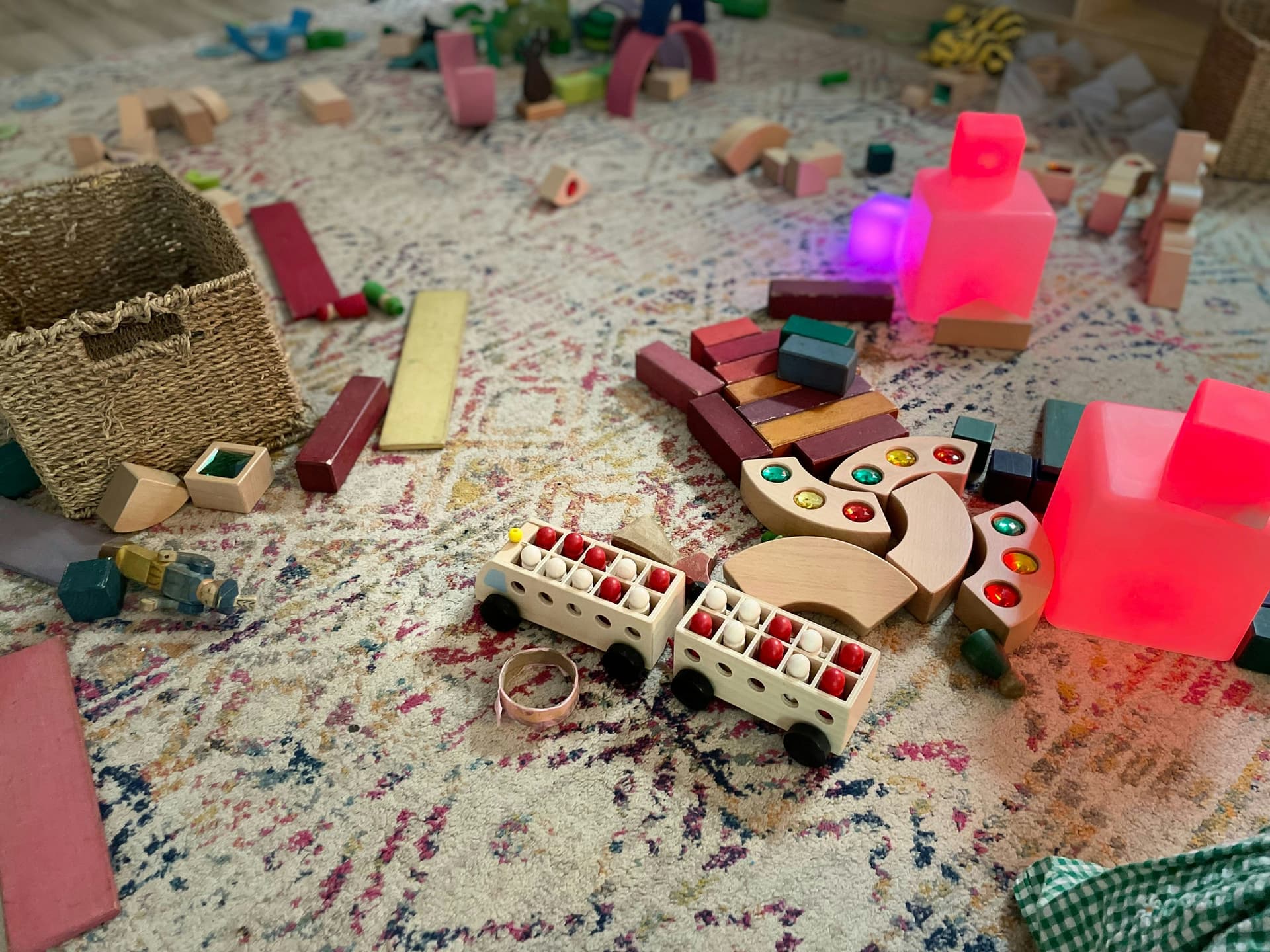
Five-year-old Shifali has just finished playing with her blocks, dolls, and puzzle pieces. The living room floor is scattered, but she has already moved on to another game.
Her father notices the mess and says, “Shifali, clean up your toys right now.” Shifali glances at him but continues playing.
A few minutes later, he tries again: “Shifali, I told you to put the toys away. If you don’t, no TV later.” Shifali pauses, then shrugs. She’s heard this before.
After another ten minutes, the toys are still on the floor. Frustrated, her father sighs: “Fine, just leave it then. I don’t know what to do with you.”
At this point, Shifali has learned two things:
Reminders can be ignored.
Threats don’t really mean anything.
Tidying up no longer feels like her responsibility—it has become a power struggle she can win simply by waiting.
Why Reminders and Empty Threats Don’t Work
The scenario highlights two key reasons children often don’t listen: repeated reminders and empty threats.
Shifali hasn’t internalized the expectation that toys must be tidied up. Instead, she has learned that reminders bring her father’s attention—and by ignoring them, she can gain even more. Children have what I call an “attention container” that they work to fill each day, whether with positive or negative attention. For Shifali, ignoring the request guarantees another reminder in a few minutes.
She also knows from experience that “no TV later” is not a real consequence, because it has been threatened before without follow-through. So, she confidently carries on, knowing she will still get her TV time.
What Can Shifali’s Father Do?
To make sure the expectation of tidying up toys is carried out—without constant reminders—Shifali’s father can take the following steps:
Step One: Set a clear expectation in advance.
He can explain: “After you play with the toys, you tidy them up so that the space is clear of toys.” When children hear the rule ahead of time, it feels predictable and fair.
Step Two: Use a visual chart.
A simple picture chart can show the sequence: toys in their place, child playing, child tidying, and tidy space. Visuals help young children connect the steps and remember what comes next.
Step Three: Teach and practice the expectation.
Before play, Dad can bring Shifali’s attention to the chart and walk through the steps. With practice, tidying up becomes automatic, just like brushing teeth or washing hands.
Step Four: Follow through with logical consequences.
Dad can explain: “When toys are not tidied up, they stay all over the floor, and we can trip on them, and it is messy. When that happens, the toys will be put away and you won’t be able to play with them. It’s your choice.”
Logical consequences are most effective when they connect directly to the situation. Future TV watching has no relevance to toys, but not having access to toys when they are left in a mess makes sense to a child.
The important part is consistency. Dad can remind Shifali once using the chart, but if she ignores him, he calmly follows through with the consequence. Over time, she learns that the rule is real, and tidying becomes part of her routine—not a negotiation.
Parenting is a journey of practice, patience, and consistency. If you’d like support in setting clear expectations and moving away from reminders and empty threats, I invite you to book a complimentary 15-minute meet and greet at formativeyears.ca. Together, we can nurture responsibility and cooperation—without power struggles.