Raising Children Who Can Truly Pay Attention
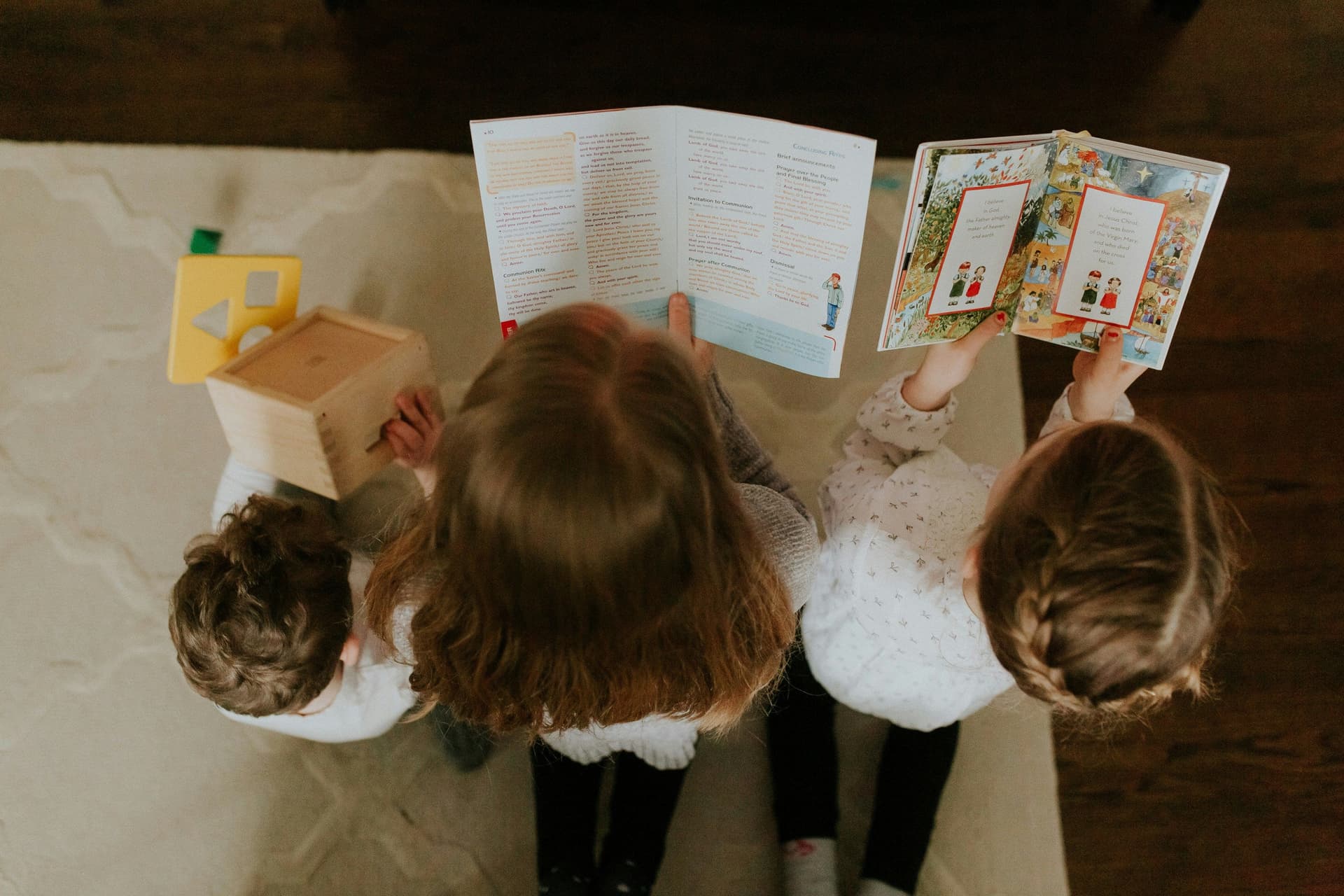
The Art of Presence: Nurturing Attention in Childhood
The other day, while riding the subway, I witnessed a rare and heartwarming scene that stayed with me long after the doors closed behind that family. Seated across from me were two parents with their three children — two boys of about seven and nine, and a baby nestled comfortably on the father’s lap.
What caught my attention wasn’t noise or commotion, but rather the quiet. Each of the boys sat peacefully with a book in hand, fully immersed in their stories. There were no flickering screens, no tablets propped up with cartoons, no headphones sealing them off from the world. Just pages turning gently as the subway rattled along.
The parents chatted softly with each other and cooed to the baby. When the boys finished reading, they slipped their books back into their backpacks without fuss — no negotiations, no resistance — and simply shifted to observing the world around them or whispering to one another.
It was such a contrast to what I have come to expect on public transit, where glowing screens are the default distraction for restless hands and wandering minds. Yet here were two children, calm, grounded, and fully present in their environment — not because they were being entertained, but because they were engaged.
That brief subway ride reminded me how powerful simple habits can be. In a world that constantly pulls us toward stimulation, these children were learning something precious: how to be content in stillness, how to enjoy a moment without needing to escape it.
Why Focus Matters in Childhood
The ability to pay attention — to linger with a thought or stay with an activity without interruption — is one of the greatest gifts we can give children. Focus is the foundation for learning, creativity, problem-solving, and emotional regulation. A child who learns to concentrate develops not only academic readiness but also resilience: the strength to sit with boredom, effort, or uncertainty until understanding arrives.
Yet in today’s world, constant digital distractions can fragment children’s minds, making it harder for them to practice this vital skill. What I observed on the subway was a gentle reminder: attention is not taught through instruction — it is cultivated through environment.
How Parents Can Nurture Attention in Children
Model Presence — Let your children see you reading, listening, or simply sitting without multitasking. Calm is contagious.
Limit Screen Reliance — Replace default digital entertainment with books, conversations, or quiet observation.
Leave Room for Boredom — Boredom is not the enemy; it is the gateway to imagination.
Encourage One Thing at a Time — Whether it’s eating, drawing, or tidying up, invite your child to complete the moment before moving on.
Celebrate the Process — Acknowledge not just what they did, but how long they stayed with it. Effort is the true achievement.
At Formative Years, we believe that attention is not merely a skill — it is a life force. When children learn to anchor their focus, they grow more confident, independent, and emotionally secure.
If you’d like support in creating calmer rhythms or more intentional habits in your home, It would be my pleasure to walk that journey with you.
Let’s help your child not just react to the world — but truly experience it.
Visit formativeyears.ca to book a complimentary conversation. Together, we can build a home where presence becomes natural.