A Small Morning Habit with a Big Message
Why I Stopped to Notice Who Carries the Backpack
My home is near two public schools, and each morning I watch families make their way toward the start of the school day. Some arrive by car; others walk the short distance—most children in the neighborhood live close enough to do so. Over time, I’ve noticed a small but meaningful pattern.
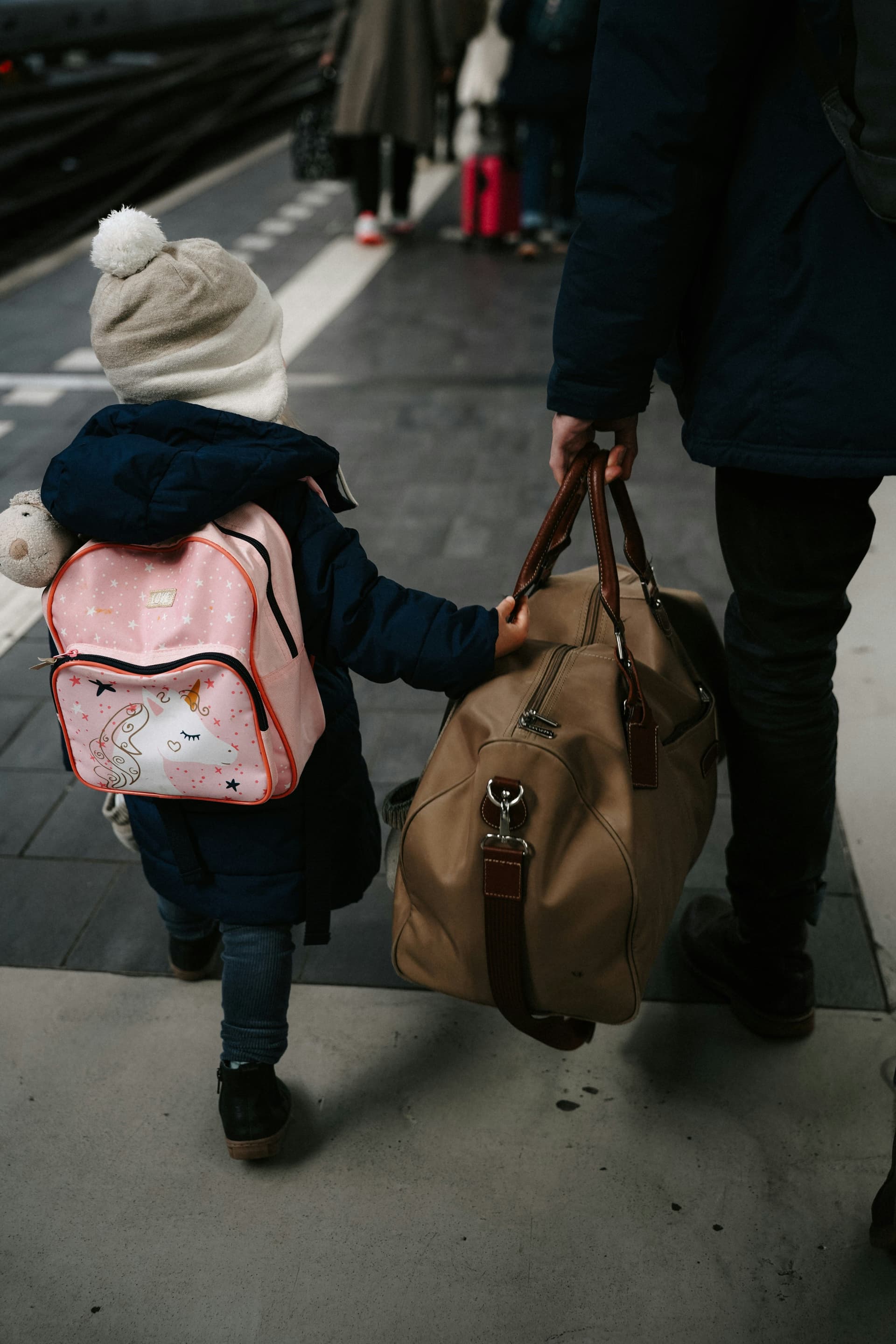
Many adults carry their children’s backpacks and lunch bags. This means families walking to school are often juggling their own work bags along with everything their child needs for the day. Only a few children carry their own belongings. One that stands out is a gentleman walking with a child who appears to be around eight years old. Each day, the child carries her own backpack with quiet confidence.
At first glance, this may seem insignificant. After all, what harm is there in carrying a child’s bag? Isn’t that just part of being caring and supportive?
Yet it’s often these everyday, well-intentioned habits that quietly shape how children see themselves. When adults consistently take over small responsibilities, children lose opportunities to experience agency—to feel capable, trusted, and involved in managing their own world.
Carrying a backpack may seem trivial, but for a child it represents ownership: This is mine. I can manage my things. These small acts build responsibility and problem-solving skills in natural ways. Children learn to notice weight, remember what they packed, and adjust when something feels uncomfortable or forgotten.
There is also an important modelling piece. When children regularly see adults carrying everyone’s bags—pushing through discomfort and placing their own needs last—they may absorb the message that care equals sacrifice. Over time, this can quietly teach children to expect others to carry the load, or to grow into helpers who believe being good means overextending themselves.
In contrast, when adults carry their own belongings and allow children to carry theirs, a different message emerges: Everyone contributes. Everyone is capable. We care for ourselves and each other. These model balance rather than martyrdom, responsibility rather than rescue.
Supporting children doesn’t always mean doing things for them. Often, it means stepping back just enough to let them practice independence in safe, everyday ways. And sometimes, that practice begins with something as simple as carrying their own backpack.
A Simple Action Plan for Families
Start small: If your child is younger or hesitant, have them carry their backpack part of the way.
Prepare together: Pack the backpack with your child the night before so they know what’s inside and feel ownership.
Resist the rescue: If the bag feels heavy or awkward, guide your child to problem-solve rather than stepping in immediately.
Name the effort: Instead of praise, reflect what you see— “You remembered everything you needed today.”
Stay consistent: Independence grows through repetition, not perfection.
Supporting our children doesn’t always mean doing things for them. Often, it means stepping back just enough to let them practice independence in safe, everyday ways. And sometimes, that practice begins with something as simple—and powerful—as trusting them to carry their own backpack.